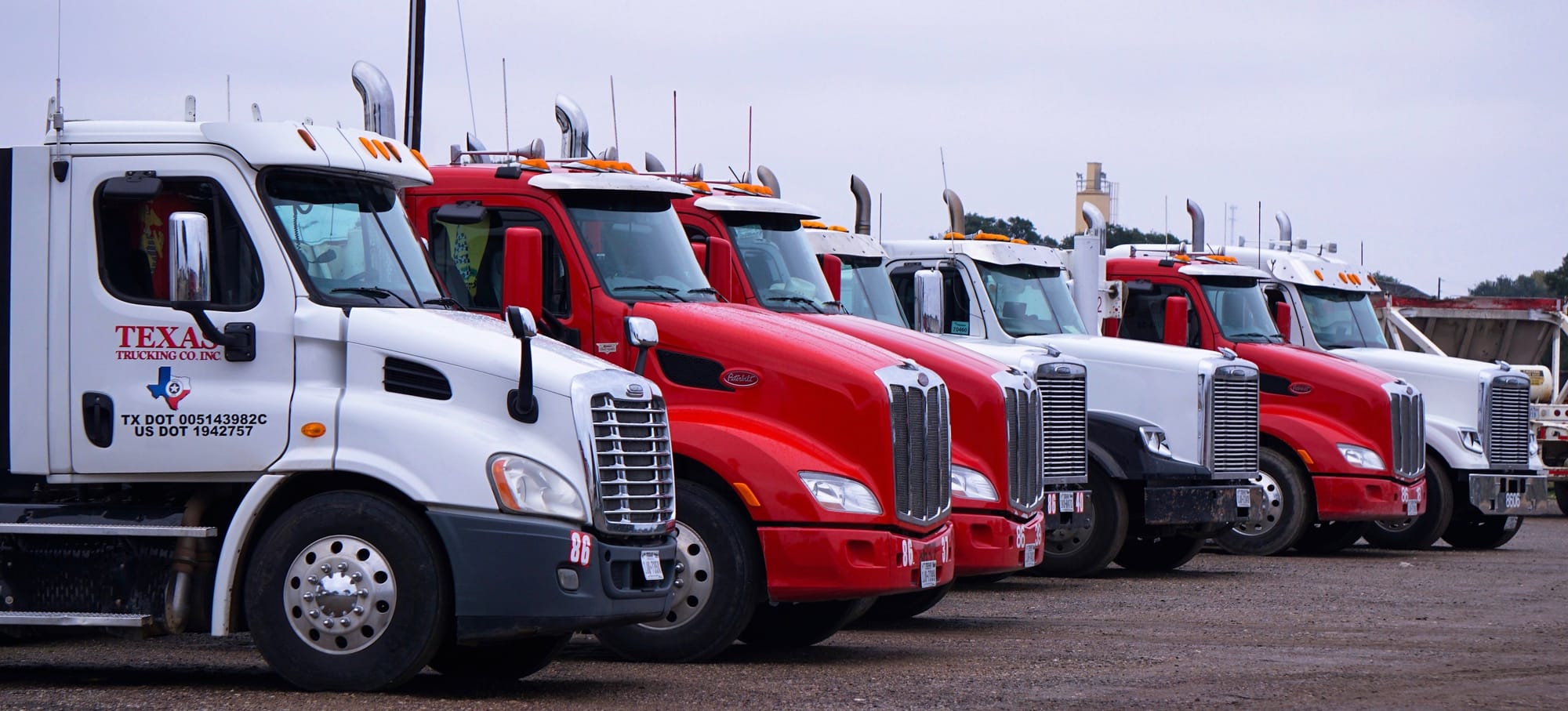
Texas moves more freight than any other state in the country. The platforms that connect loads to carriers, optimize routes, and score driver performance have all been transformed by AI in recent years. Under TRAIGA, Texas trucking companies using these platforms have compliance obligations that virtually none of them have addressed.
The Platforms and What Their AI Does
DAT Freight and Analytics is the largest load board in North America. DAT uses AI to match loads to carriers, predict lane rates, and score carrier reliability. When a shipper uses DAT's AI-generated carrier recommendations to decide which carrier gets a load, that recommendation influences a consequential economic decision for the carrier. When a carrier's DAT reliability score affects which loads they are offered, that scoring system affects their income.
Truckstop.com uses AI in load matching and carrier vetting. AI-generated carrier scores and match recommendations that influence which carriers receive load opportunities are consequential decisions under TRAIGA.
KeepTruckin and Motive — fleet management platforms used by thousands of Texas carriers — use AI in driver performance scoring, safety monitoring, and route optimization. AI-generated driver scores that influence dispatch decisions, route assignments, or continued employment qualify as consequential decisions.
Amazon Relay and Uber Freight both use AI extensively in load matching, carrier scoring, and rate setting. Texas carriers using these platforms are subject to AI-assisted decisions that affect their economic situation — and are themselves deployers when they use the platforms' AI tools to manage their own drivers.
The Driver Scoring Issue
Driver performance scoring is where TRAIGA exposure is most significant for trucking companies. Several fleet management platforms generate AI-based driver scores using telematics data — hard braking events, speed, phone use, hours of service compliance, and similar metrics. These scores are increasingly used by carriers to make dispatch decisions, route assignments, and termination decisions.
A carrier using an AI-generated driver score to decide which drivers get premium lanes, which get cut to part-time, or which are terminated is making consequential employment decisions driven by AI. TRAIGA requires that those decisions be documented, that the AI vendor's governance documentation be requested, and that a human review the AI output before acting on it.
The FMCSA Compliance Stack
Texas trucking companies already operate under a significant federal regulatory burden — FMCSA hours of service, ELD mandates, CSA scores, drug and alcohol testing, and more. TRAIGA adds a layer to this compliance stack specifically for AI-assisted systems.
The practical approach for a Texas carrier is to conduct a single AI audit across all platforms in their operation — fleet management, load matching, driver scoring, hiring — and address TRAIGA compliance for all of them simultaneously. The documentation work is largely the same across platforms. Doing it once, comprehensively, is more efficient than addressing it piecemeal.
What Compliance Looks Like for a Small Carrier
A small Texas carrier running ten trucks does not need a compliance department to address TRAIGA. The reasonable care standard is calibrated to what a small operation can accomplish.
Reasonable care for a ten-truck carrier means identifying which platforms use AI, sending formal documentation requests to those vendors, having the owner or dispatcher review AI-generated driver scores and load match recommendations before acting on them rather than accepting them automatically, and keeping a file documenting all of this.
That is a manageable compliance posture. It does not require an attorney or a consultant. It requires about four hours of work to set up and about thirty minutes a month to maintain.
This article is for informational purposes and does not constitute legal advice. For advice specific to your situation, consult a licensed Texas attorney.