If you have been following coverage of federal AI policy over the past six months, you may have seen headlines suggesting that Washington is moving to override state AI laws like TRAIGA. The headlines are not wrong — the federal government has made significant moves in that direction. But the legal and political reality is more complicated, and for Texas businesses trying to make compliance decisions today, the most important facts are these: TRAIGA is in effect, the federal preemption effort has failed twice in Congress, and the executive order being used as a workaround faces serious legal challenges.
Here is a clear-eyed account of where the federal AI fight stands — and what it means for your compliance obligations right now.
The Congressional Moratorium Proposed and Rejected Twice
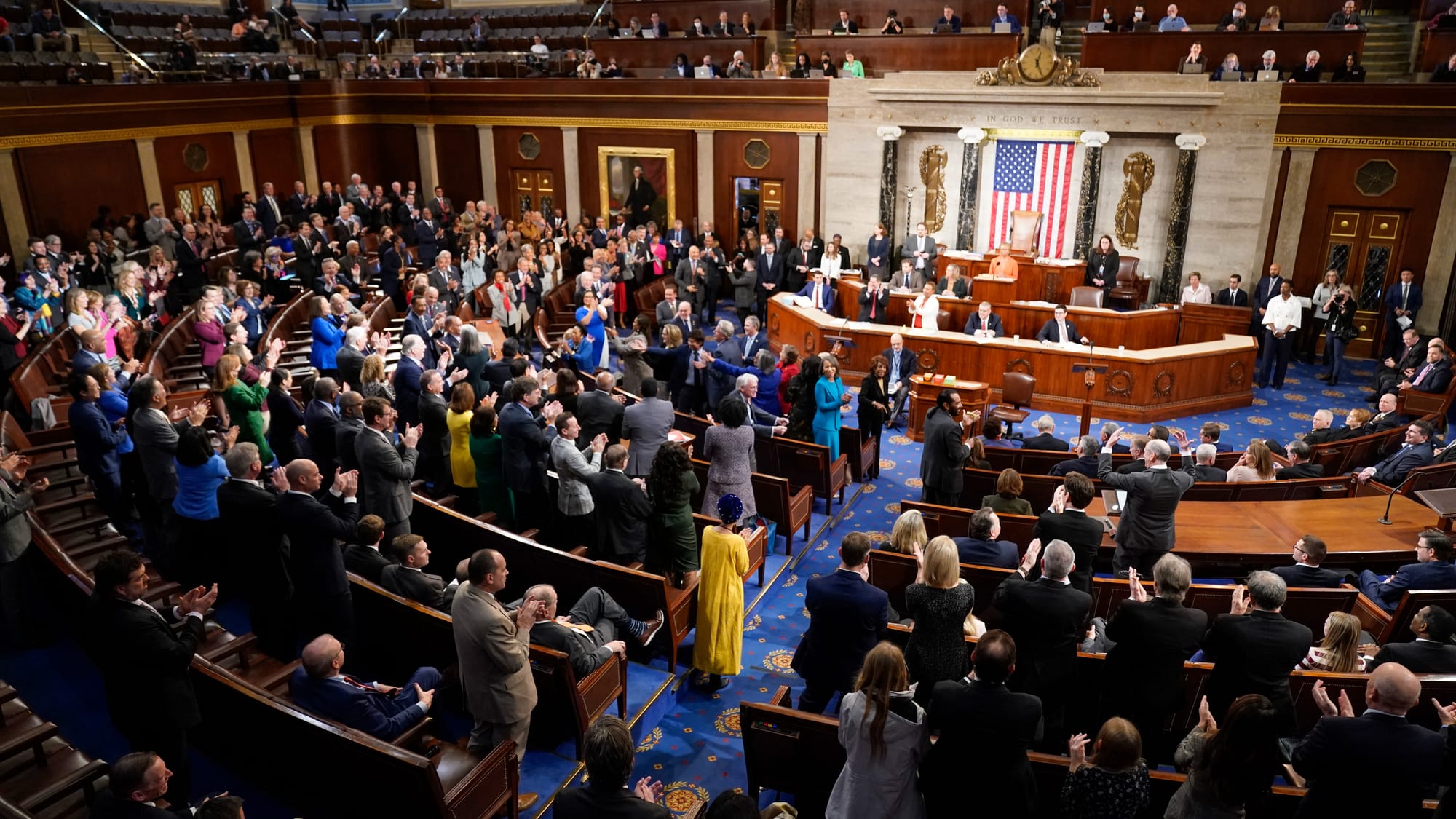
The most aggressive federal preemption proposal came in the form of a ten-year moratorium on state AI laws, introduced by Senator Ted Cruz of Texas as an amendment to the One Big Beautiful Bill Act. The moratorium would have blocked enforcement of TRAIGA and every other state AI law for a decade.
The Senate voted 99 to 1 to strip the state preemption provision from the bill. That is not a narrow defeat. That is a nearly unanimous bipartisan rejection.
Congress then declined to enact a similar state AI preemption moratorium through the 2025 National Defense Authorization Act. The moratorium was considered for inclusion in the defense bill and was left out.
Two vehicles. Two rejections. The congressional path to overriding TRAIGA has been exhausted for now.
The Executive Order Significant But Not Self-Executing
With Congress unwilling to act, the Trump administration turned to executive action. A December 2025 executive order established an AI Litigation Task Force within the Department of Justice, tasked with challenging state AI laws in federal courts beginning January 10, 2026.
The executive order also attempts to use federal funding as leverage — instructing the Department of Commerce to condition $42 billion in previously allocated broadband infrastructure funding on the repeal of state AI regulations deemed onerous.
This is a real development worth watching. But it has significant legal limitations. An executive order, on its own, does not preempt a state law. Unless and until courts invalidate state laws on preemption grounds, regulated parties must continue to comply with state AI regulations. Only Congress or a court ruling can actually override TRAIGA.
Nearly two dozen state attorneys general have already pushed back, filing a letter to the FCC in December 2025 urging it not to issue preemptive AI regulations.
The White House Framework Not Binding
On March 20, 2026, the White House released a National Policy Framework for Artificial Intelligence, outlining policy recommendations to guide Congress in developing a unified federal approach to AI legislation.
The key word is recommendations. The Framework is not a binding document and does not by itself impose new legal obligations or direct agencies to take specific regulatory actions. It signals the administration's preferred direction. It does not change what Texas businesses are required to do today.
TRAIGA Is a Texas Law — And Texas Is Not Playing Along
Here is a detail that gets lost in the federal preemption coverage: TRAIGA was signed by Texas Governor Greg Abbott. It was sponsored by a Republican state representative. Texas is a state that does not typically welcome federal overreach into state law.
The Texas Attorney General — who holds exclusive enforcement authority under TRAIGA — is an independently elected official who has shown no indication of standing down on AI enforcement. The AG's office has been actively building its complaint portal and enforcement infrastructure since the law was signed in June 2025.
The idea that the federal government would successfully pressure Texas to abandon its own AI governance law — a law signed by a Republican governor, sponsored by a Republican legislator, and enforced by a Republican AG — faces obvious political headwinds that the national coverage frequently underplays.
Why Federal Uncertainty Is Not a Reason to Wait
This is the most important point for Texas businesses to understand.
There are two possible outcomes in the federal preemption fight. Either TRAIGA survives — in which case businesses that built compliance records are protected and businesses that waited are exposed. Or TRAIGA is preempted — in which case businesses that built compliance records have lost nothing, because the documentation work translates directly to any federal framework that replaces TRAIGA.
There is no scenario in which building a TRAIGA compliance record now turns out to have been the wrong decision. The documentation — AI vendor inventory, formal requests, human oversight protocols — represents good governance practice that serves a business regardless of which regulatory framework ultimately governs AI use in Texas.
The businesses most damaged by federal uncertainty are the ones that use it as a reason to do nothing. If TRAIGA survives — and the legal and political evidence strongly suggests it will — those businesses face enforcement exposure with no compliance record to show. If TRAIGA is preempted, those businesses will face the same documentation requirements under the federal framework that replaces it, starting from zero.
What Is Actually Coming Federally
The honest picture of federal AI policy heading into the second half of 2026 is active uncertainty. On March 20, 2026, Democrats introduced the GUARDRAILS Act, which would repeal the Trump administration's executive order and block efforts to impose a moratorium on state-level AI regulation.
Congress has a full legislative calendar, no comprehensive federal AI bill ready for a floor vote, and a track record of declining to preempt state AI laws when given the chance. The DOJ litigation task force is operational but has not yet filed any actions against TRAIGA specifically.
The most likely federal outcome in 2026 is continued uncertainty — not resolution. Businesses waiting for federal clarity before acting on TRAIGA are waiting for something that may not arrive this year.
The Compliance Record Is the Insurance Policy
Every week that passes without a TRAIGA compliance record is a week of documented exposure. The federal preemption fight is real and worth watching. It is not a substitute for the compliance work that Texas law currently requires.
Build the record. Watch the federal developments. Adjust if the law changes. That is the correct sequence — not the reverse.
This article is for informational purposes and does not constitute legal advice. For advice specific to your situation, consult a licensed Texas attorney.